Events

For event details, please visit the
Calendar or
Youth Calendar.
Some events require advance sign-up.

May 17
I Will Survive: Introduction to Wilderness Survival Skills
May 20
Babies & Toddlers class:
"Here Comes The Sun"
May 30
15th Annual Butterfly Count
June 2-6
Nature Odyssey:
Rio Grande Valley
June 4
Plant Identification Class - Part 1
June 5
Children's Summer Gardening begins
June 9-13
Nature Odyssey:
Pajarito Plateau
June 11
Plant Identification Class - Part 2
June 16-20
Nature Odyssey:
Valles Caldera
June 18
Plant Identification Class - Part 3
June 23-27
Living Earth Adventure Program (LEAP)
June 25
Plant Identification Class - Part 4
Aug 28 - Sep 1
Holy Ghost Campout


Archive of Past Events

Adopt a PEEC Animal

At PEEC, visitors have a chance to see a few of the small animals found in New Mexico. You can meet Betty the bullfrog, Link the skink, and Tam and Cam the salamanders. Sometimes our animals even visit classrooms. In this way PEEC helps people learn about nature and not be afraid of it. Each of our educational animals is special, and you can help one of the animals feel extra special by adopting it for $25.

Adoption FAQ

What do I get as an adoptive parent?

As a proud new parent, you'll receive an adoption portfolio with a 3 X 5 glossy photo of your animal mounted in a magnetic frame, an official PEEC adoption certificate, and a fact sheet on your animal species. We'll even send you occasional updates about how the animal is doing.

What does the animal get when I adopt it?

As an adoptive parent, you can be sure that your animal will get fresh food, good lighting, clean bedding, and other improvements to its habitat.

Do I have to take care of my animal?

No. Your adopted animal will be cared for by PEEC staff.

Can more than one person adopt an animal?

Yes!

Can I visit my adopted animal?

Yes, you may come and visit your animal any time PEEC is open. Handling is limited, depending on the animal.

How long does my adoption last?

You will be honored as an adoptive parent for one year, and you will have your name proudly displayed on the animal's habitat.

Will I be helping PEEC by adopting an animal?

Yes. Any extra money from the adoption program will go towards funding nature education programs. In this way you are helping more people to understand nature.

What do I have to do to adopt an animal?

Ask one of our friendly staff members to help you fill out an enrollment form.


Animals for Adoption

Great Western Skink

Hip, Hop & Bop the Toads

Hip, Hop, and Bop are a trio of Woodhouse Toads. They are always active, hopping around their terrarium and jumping in and out of their water bowl. They like to eat crickets and waxworms.

Great Western Skink

Link the Skink

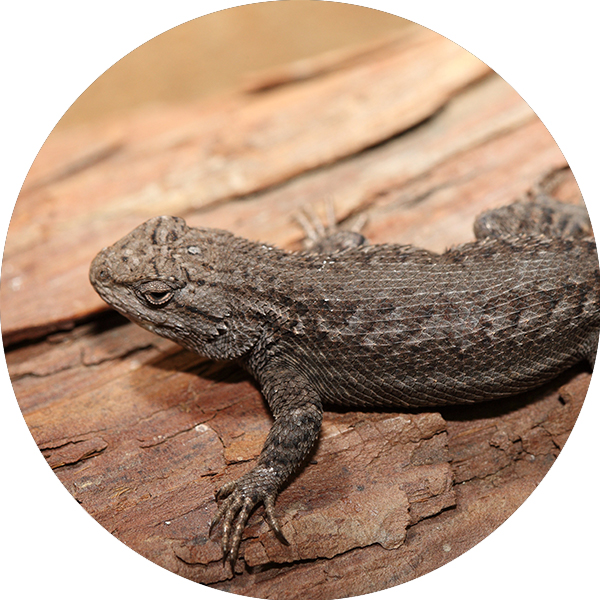
Link is a Great Western Skink. He looks much like a speckled tan snake with four delicate legs and feet. He is a reptile. He's often found inside his hideway rock which lifts open for viewing. Link has a strong bite and eats crickets and mealworms.

Red-eared Slider

Elf the Turtle

Elf the Red-eared Slider is very active in his large aquarium. He is still growing and he likes to move and swim. Elf seems curious about people who look below his water level to watch him. He also likes to bask under his heat lamp. He eats crickets, worms, fish, fruit, and veggies.

Plecostomus

Flip the Plecostomus

Flip the plecostomus is a fish who lives with Elf and cleans algae from his habitat. Flip even eats algae from Elf's shell sometimes. Whereas Elf is likely to be watching the people watching him, Flip usually rests upside down under Elf's rock platform, showing just a flip of fluttery fins.

Bullfrog

Betty the Bullfrog

Betty the bullfrog is big, rounded, with a dark colored back and a creamy colored belly. She likes to hide underwater, float at the surface, or bask under her sun lamp. When things are quiet at the Center, she sometimes comes out of the water to look for food or explore her habitat. Betty eats earthworms and crickets.

Whiptail Lizard

Zoe the Whiptail Lizard

Zoe is a plateau whiptail lizard that was rescued from a construction site in Santa Fe. Whiptail lizards move away so fast this may be one of the few places you'll get to see this species and its beautiful blue tail and delicate markings. Zoe eats mealworms dusted with calcium and vitamins.

Tiger Salamander

Tam & Cam the Tiger Salamanders

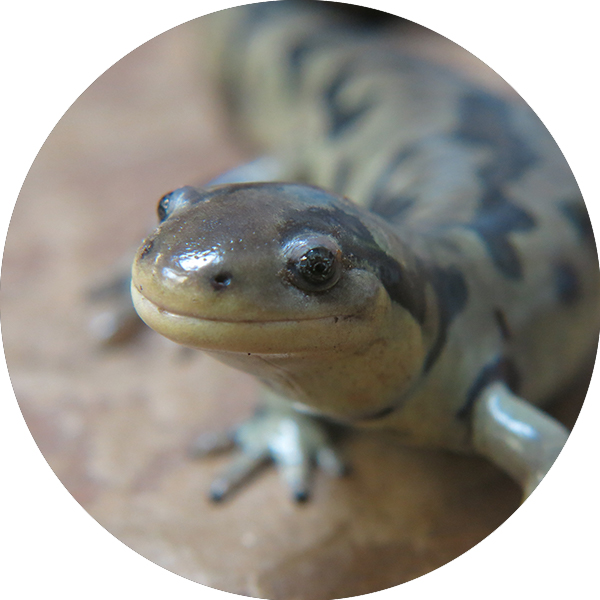
Tam and Cam the tiger salamanders have sinuous brown bodies with a sprinkle of gold spots, typical of the species in high elevation. They like water and may hide under their big water bowl. Often you can see their eyes peaking out of the opening of their burrow where they watch for prey: crickets, earthworms, and waxworms.

Bird Feeder

Wild Birds

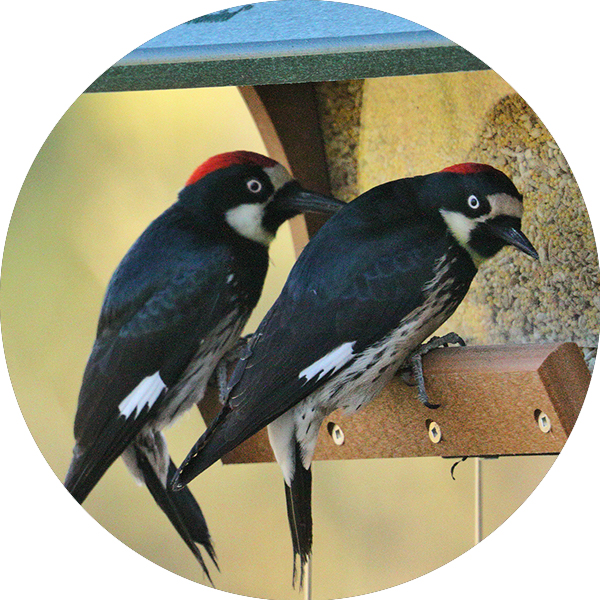
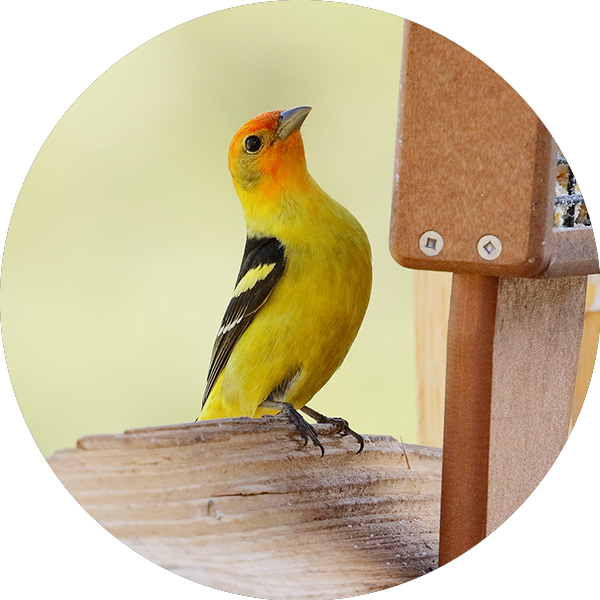
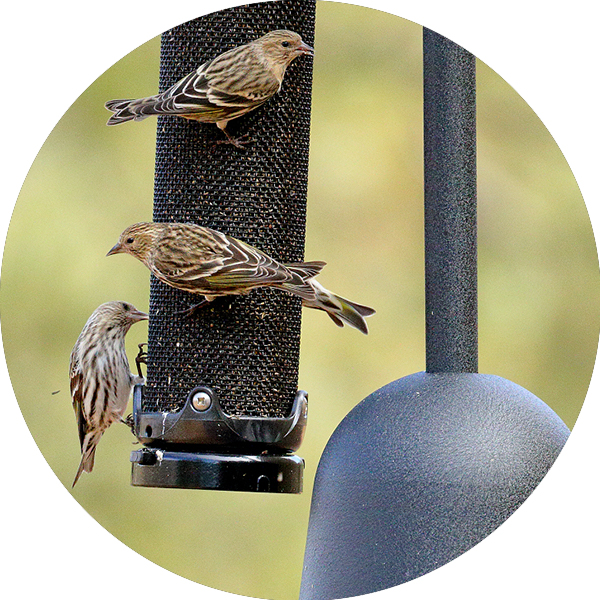
Wild birds at PEEC's outside bird feeders vary with the seasons, and they know where to come for food anytime. Ours is a good place for beginning bird watchers to sit on PEEC's lawn or inside at a window with binoculars. PEEC has a changing show of birds throughout the year because of the easily-seen feeders and the nearby woods.

worms

Worms

Wouldn't this be an interesting adoption to give as a gift? The worms at PEEC eat Elf's leftover veggies and other fruit and vegetable scraps.


PEEC Nature Center
PO Box 547, Los Alamos, NM, 87544 (Located at 3540 Orange Street)
(505) 662-0460
Center@PajaritoEEC.org

©2005-2008 Pajarito Environmental Education Center
Banner photo by Hari Viswanathan; logo by Tori Hansen; photographs by many community members.
We welcome comments and submissions to this web site.
Webmaster@PajaritoEEC.org